Choosing Warm Bulbs — Kelvin Ratings Explained
A practical guide to understanding colour temperature. We break down the numbers and show you exactly which bulbs create that cosy evening atmosphere you're after.


Why Colour Temperature Actually Matters
When you're setting up lighting for an evening at home, you're not just choosing brightness — you're choosing mood. It's the difference between a space that feels welcoming and one that feels clinical. That's where Kelvin ratings come in.
Kelvin is simply the measurement we use to describe how warm or cool a light feels. Think of it as a temperature scale for light itself. The lower the Kelvin number, the warmer and more orange the light. The higher the number, the cooler and more blue it becomes. It's not complicated once you understand the basics.

The Kelvin Scale Broken Down
You'll typically see bulbs in these ranges, and each has its own character. Here's what you're actually getting when you pick a number.
2000-2700K: Warm White (or Soft White)
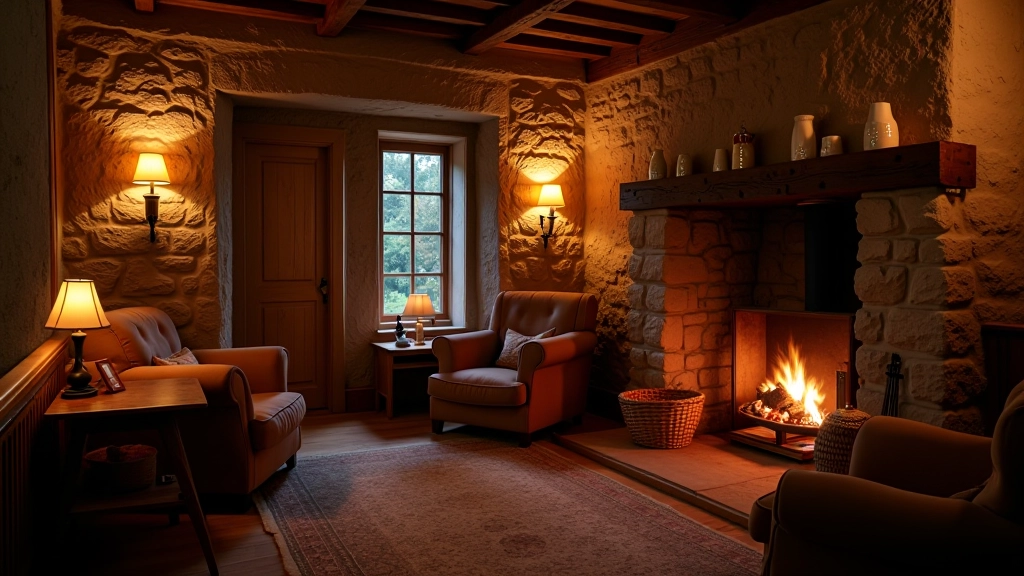
This is your cosy zone. It's the light of candlelight, the glow you get from an old incandescent bulb. Perfect for living rooms, bedrooms, and anywhere you want to relax. You'll feel it — it's genuinely soothing.
2700-3000K: Warm to Neutral
Still warm but slightly brighter. Good for kitchens and hallways where you want warmth without losing visibility. You're not sacrificing cosiness, just getting a bit more practical.
3500-4100K: Cool White
This starts to feel more clinical. It's the light of office spaces and shops. Fine if you need focus, but it won't help you unwind at the end of the day.
5000K+: Daylight
This mimics midday sun. It's bright, it's energizing, and it's the opposite of cosy. Save this for workspaces or task-focused areas.

What to Choose for Different Rooms
The room matters. A bulb that's perfect in one space might feel wrong in another. Your bedroom isn't your kitchen, and your kitchen isn't your home office.
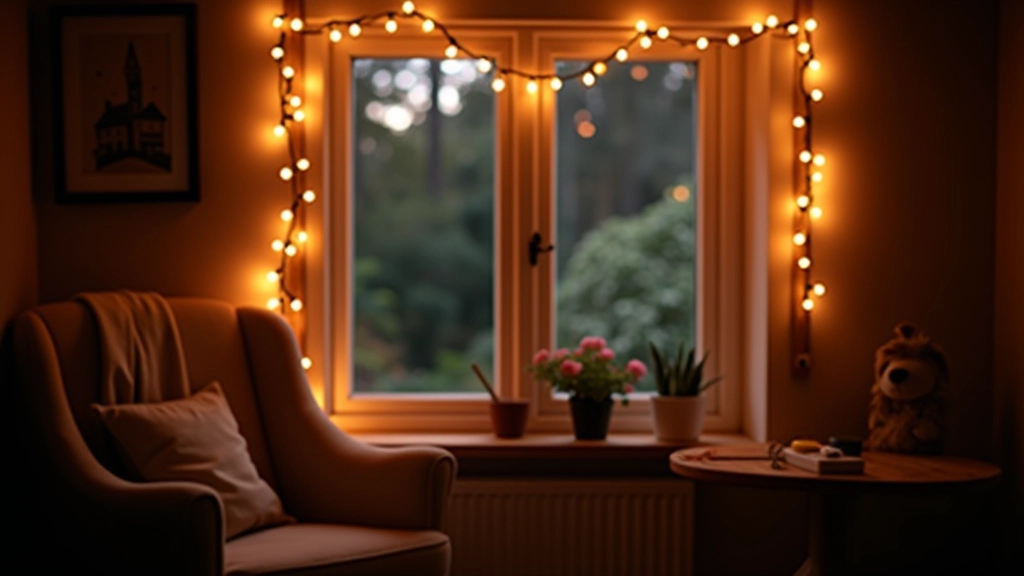
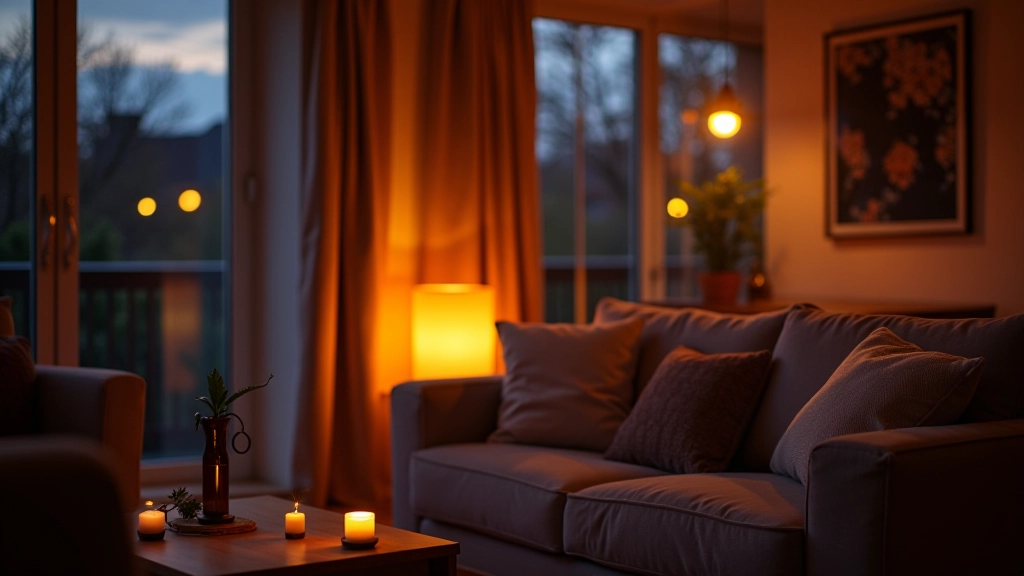
For bedrooms and living rooms, you're aiming for 2200-2700K. That's where you get that authentic hygge feeling — the light that tells your brain it's time to slow down. We're talking about creating an environment where you actually want to be. It's not just illumination; it's atmosphere.
Kitchens can handle 2700-3000K. You still get warmth, but with enough brightness to see what you're doing. Most people don't want to cook under harsh lighting, but they also need visibility. This sweet spot gives you both.
Hallways and entryways? Keep them warm too — 2700K ideally. It's welcoming. You're setting the tone the moment someone walks in.
Practical Tips When You're Shopping
Here's the thing — when you're in the shop or scrolling online, you won't always see "Kelvin" on the label. Manufacturers use different terms, and it can get confusing. Look for these labels instead.
Soft White or Warm White
This is your 2700K range. It's the standard label for cosy bulbs. When you see this, you're getting what you want for a relaxing home.
Brightness vs Temperature
Don't confuse watts (brightness) with Kelvin (warmth). A 60W bulb can be warm or cool. You need both pieces of information to get it right.
LED vs Incandescent
LEDs now come in the same warm ratings as old incandescent bulbs. You're not sacrificing warmth by going modern. In fact, many people find warm LEDs even better because they last longer.
Common Misconceptions You Can Ignore
There's a lot of misinformation about light bulbs. Let's clear up what you don't need to worry about.
"Warm light makes rooms look dirty"
No, it doesn't. Warm light is flattering. It's why restaurants use it. It makes people look healthier, spaces feel more welcoming. You're not sacrificing cleanliness for comfort — these aren't mutually exclusive.
"You need daylight for productivity"
You need adequate brightness, yes. But warm light with good lumen output works fine. Plenty of people have home offices with 2700K bulbs and they're perfectly productive. The myth conflates brightness with colour temperature.
"All warm bulbs are the same"
They're not. Quality varies. A £2 bulb might flicker or die in months. Spending a bit more on decent warm bulbs is worth it. You'll notice the difference in consistency and longevity.
Note: This guide is informational. Lighting preferences are personal and depend on your space, fixtures, and preferences. We recommend trying a few different Kelvin ratings in your own home before committing to a bulk purchase. Factors like room size, wall colour, and existing fixtures all influence how colour temperature appears to you.
The Bottom Line
Kelvin ratings are straightforward once you know what you're looking at. For cosy, hygge-inspired home lighting, you're targeting the 2200-2700K range. That's warm white territory. When you're shopping, look for those labels. Don't get distracted by marketing jargon. You've got the knowledge now — use it.
Start with one room. Replace a few bulbs with warm ones and see how it feels. You'll notice the difference immediately. Your home will feel more inviting, more relaxed, more like the space you actually want to spend time in. That's what proper lighting does.
Continue Reading