
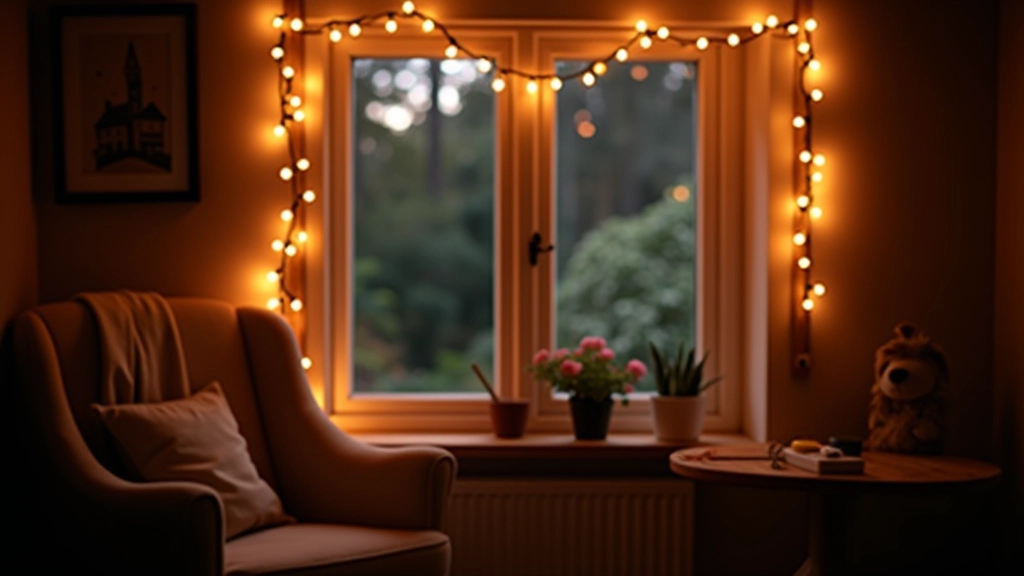
Arranging Fairy Lights Without the Mess
Step-by-step methods for hanging fairy lights in rental properties and around windows, doors, and furniture without permanent damage.
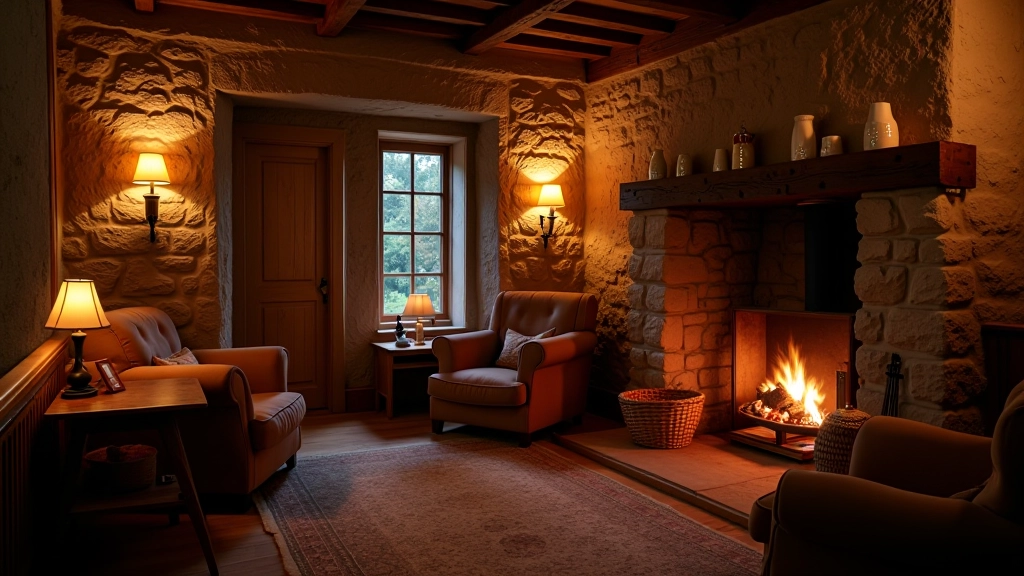

Hygge isn't just a Danish word — it's a philosophy of comfort that fits perfectly with Scottish living. When November rolls around and the sun's gone by 4 PM, creating genuine warmth in your home becomes essential, not optional.
The thing is, hygge isn't about expensive furniture or designer accessories. It's about layering warmth through lighting, texture, and intentional design choices. In Edinburgh flats and Highland cottages, where stone walls hold the cold and draughts sneak under doors, proper lighting creates an atmosphere that actually makes people want to spend time indoors.
We're talking about the difference between sitting in a well-lit room that feels clinical and sitting somewhere that feels like you're being genuinely cared for. That's hygge.
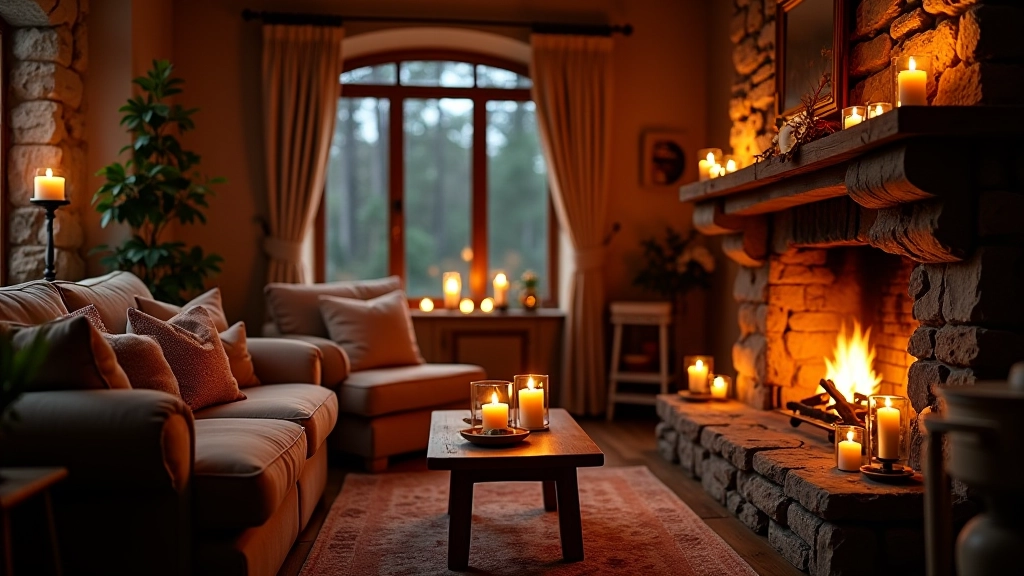
This is where most people get confused. You'll see "warm" bulbs and "daylight" bulbs, and the numbers matter more than the marketing claims. We're talking about Kelvin ratings, which measure how warm or cool light actually feels.
For hygge spaces, you'll want bulbs between 2700K and 3000K. That's the sweet spot — warm enough to feel genuinely inviting without looking orange. Anything below 2700K starts to feel too amber, and anything above 3000K loses that cosy quality entirely.
In Scottish homes, where you're dealing with natural light that disappears by late afternoon, getting this right transforms everything. You'll notice the difference immediately — it's not subtle.

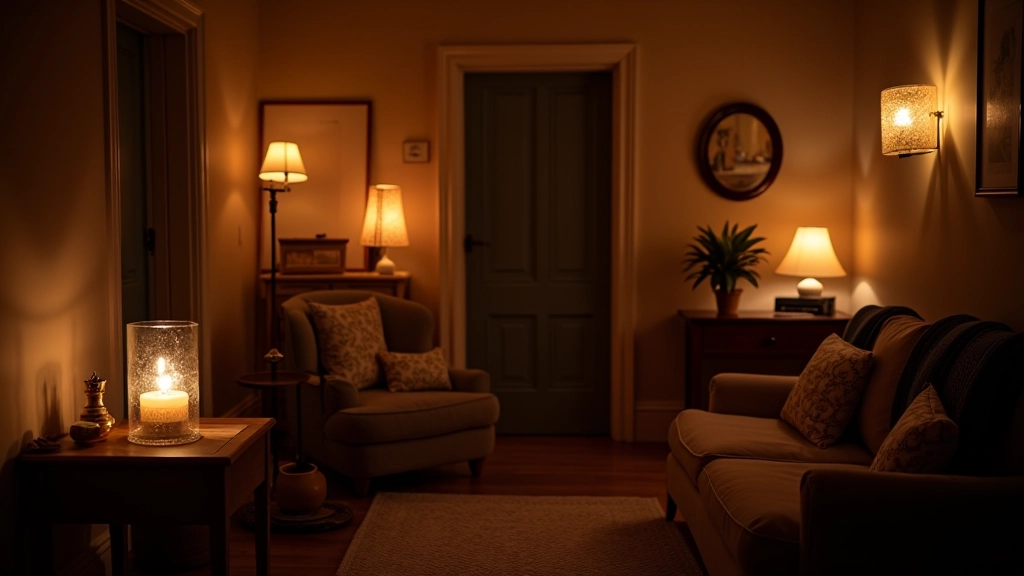
Hygge spaces never rely on a single overhead light. That's the first rule. Instead, you're building three layers: ambient light, task light, and accent light. Each one serves a purpose, and together they create depth and warmth.
Ambient light is your base layer — soft, general illumination from sources you can dim. In Edinburgh flats with high ceilings, wall sconces work brilliantly. In cottages, a combination of table lamps at different heights creates that lived-in feeling. You'll want to be able to control this layer, ideally with dimmers.
Task lighting handles the functional stuff — reading, cooking, working at a desk. This is brighter and more focused. The key is positioning it so it doesn't create harsh shadows on your face or cast glare across the room.
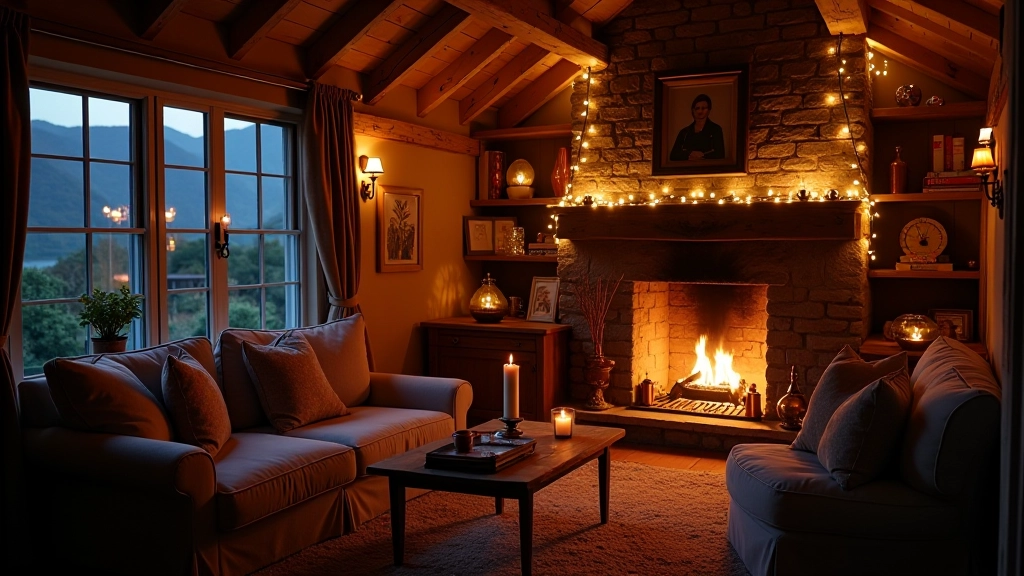
Accent lighting is where personality comes in. Candles, fairy lights, or small uplighters that highlight architectural features. In stone cottages, uplighting the walls creates incredible depth. In flats, it draws attention to artwork or plants.
Scottish winters are brutal for light. December in Edinburgh means you're getting around 6-7 hours of daylight. That's not a typo. Your lighting strategy needs to shift dramatically from summer.
Here's what actually works: Start introducing warm lighting earlier in the day than you'd think. By 3 PM in November, most people benefit from supplemental lighting. Don't fight it — lean into it. This is when your hygge setup pays dividends.
Autumn (September-October): Keep ambient lighting soft. Sunrise is still reasonable, so don't overdo it.
Winter (November-January): Layer more aggressively. Add candles. Use all three lighting tiers from morning onwards. This isn't optional.
Spring (February-March): Gradually dial back. Let natural light increase. But keep warm bulbs — the inconsistent light of spring still benefits from consistent warm tones.
You'll notice people's moods genuinely shift with proper lighting. It's not placebo. Scottish homes that nail this seasonal shift see real changes in how people feel about being indoors.
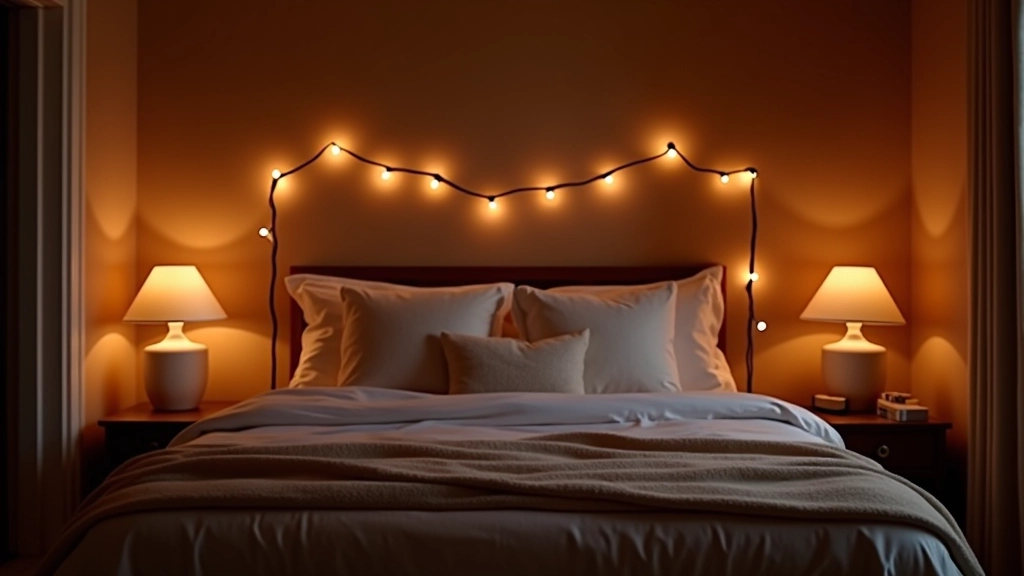
Hygge isn't complicated, but it does require intentionality. You're not buying premium brands or hiring designers. You're making deliberate choices about how light functions in your space, then sticking with them through the seasons.
For Scottish homes specifically, this means accepting that winter is long and investing in lighting that makes those months bearable — actually, enjoyable. Warm bulbs between 2700-3000K. Layered lighting with dimmers. Seasonal adjustments that don't fight the darkness but work with it.
Start with one room. Get the ambient layer right, add task lighting where you need it, then introduce accent lights. You'll feel the difference immediately. That's when you know you've got hygge working for you.
This article provides educational information about lighting design and hygge principles. While we've based these recommendations on established design practices and research into colour temperature and ambient lighting, individual results may vary based on room layout, existing fixtures, and personal preference. Always ensure electrical work is carried out by a qualified electrician, and follow manufacturer guidelines for all lighting products.
Step-by-step methods for hanging fairy lights in rental properties and around windows, doors, and furniture without permanent damage.
How to create depth and warmth using multiple light sources in smaller spaces. Works brilliantly in compact city homes.

A practical guide to understanding colour temperature. We break down the numbers and help you choose the right bulbs for every room.